
CELEBRITY
🔥 BREAKING: Iran Warns “Americans Will No Longer Be Safe Anywhere” World on Edge 👇 Do you think this is a real threat or political posturing? Share your thoughts in the comments. Iran’s Islamic Revolutionary Guard Corps (IRGC) issued a stark warning on March 2, 2026, declaring that the United States “will no longer be safe anywhere in the world, not even in their own homes.” Read more by clicking on the link 👇👇👇

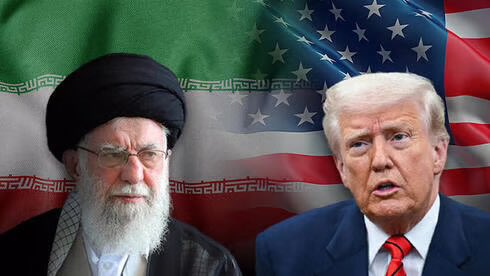
BREAKING: Iran Warns the United States “Will No Longer Be Safe”
March 2, 2026 Tehran/Washington, DC. In one of the starkest escalatory statements since the outbreak of direct hostilities between Iran and the United States, Iran’s Islamic Revolutionary Guard Corps (IRGC) issued a warning on March 2 claiming that the United States “will no longer be safe anywhere in the world, not even in their own homes.”
The warning, delivered by the IRGC’s elite Quds Force and broadcast on Iranian state television, framed the belligerent declaration as retaliation amid a rapidly spiralling conflict with U.S. and Israeli forces. “The enemy should know that their happy days are over, and they will no longer be safe anywhere in the world, not even in their own homes,” the statement said.
What Triggered the Warning
The threat occurred on the third day of intense military confrontation involving U.S. and Israeli airstrikes inside Iran, following the killing of Iran’s Supreme Leader Ayatollah Ali Khamenei and several senior military commanders earlier in the conflict. Iranian media confirmed multiple high-ranking officers were killed in these strikes, which Tehran said would fuel its determination to continue fighting.
The IRGC framed its warning as part of its ongoing retaliation, declaring that losses to its leadership had not weakened Iran but rather strengthened its resolve.
This warning has come against the backdrop of a broader outbreak of hostilities:
U.S.–Israeli military operation — described by U.S. leadership as targeting Iran’s missile, naval, and strategic capabilities entered its third and fourth days, with both sides launching waves of strikes.
American military sources have confirmed multiple U.S. service members killed in the fighting, while Iranian strikes have reportedly targeted bases and infrastructure across the Gulf region. �
People.com
Regional spillover — drone and missile strikes have struck U.S. diplomatic facilities in Riyadh and Kuwait, and attacks around the Strait of Hormuz have disrupted energy shipments and stoked global oil market fears.
The U.S. State Department has issued alerts urging U.S. citizens to leave multiple Middle Eastern countries amid the rising danger.
Experts say the IRGC’s rhetoric explicitly threatening security “even in their own homes” is intended both as psychological warfare and a deterrence signal. Some analysts argue the warnings are designed to project resolve, reshape strategic calculations, and pressure adversaries to negotiate. Others caution that inflammatory public threats carry risks of miscalculation or unintended escalation.
Another recent intelligence assessment highlighted the potential for cyberattacks and asymmetric operations by Iranian-linked groups against U.S. targets, even if large-scale physical invasions remain unlikely.
What This Means Globally
The IRGC warning dramatically underlines how regional conflicts can quickly reach global rhetorical and security flashpoints:
Diplomatic fallout The U.S. and its allies may face mounting pressure to balance military objectives with de-escalation efforts to prevent wider war.
Allied concerns Nervousness among U.S. partners in Europe, the Gulf, and East Asia over fallout from prolonged hostilities could reshape alliances and defense postures.
Economic reverberations Energy markets are already reacting to reports of disruptions in the Strait of Hormuz, a crucial artery for world oil shipments.
As of this writing, the U.S. government has not issued a direct counter-statement to the IRGC’s “unsafe” warning, but senior U.S. officials continue to defend ongoing operations as necessary to degrade Iran’s strategic threat profile and protect American interests.
If you’d like, I can provide a timeline of events in the U.S.–Iran conflict so far or an analysis of possible next steps and international responses.

🔥 BREAKING: Iran Warns “Americans Will No Longer Be Safe Anywhere” World on Edge 👇 Do you think this is a real threat or political posturing? Share your thoughts in the comments. Iran’s Islamic Revolutionary Guard Corps (IRGC) issued a stark warning on March 2, 2026, declaring that the United States “will no longer be safe anywhere in the world, not even in their own homes.” Read more by clicking on the link 👇👇👇

BREAKING: The U.S. embassy in Riyadh, Saudi Arabia, has been struck by two Iranian drones, according to two U.S. officials. The embassy was relatively empty given the overnight hours and no one is believed to have been injured, the U.S. officials said. Read more

U.S. Central Command (CENTCOM) said in a Monday statement that three U.S. Air Force F-15E Strike Eagle fighter jets were “mistakenly shot down by Kuwaiti air defenses” while defending against attacks by Iranian aircraft, missiles and drones. “All six aircrew ejected safely, have been safely recovered and are in stable condition,” the CENTCOM statement said. Read more:

“Unrecognizable?” Critics Slam Taylor Swift — Until Travis Kelce Drops a Six-Word Bombshell 👇 The secret defense that silenced the haters revealed inside

🚨🔥 BREAKING: U.S. and Israel Strike Iran — Tehran Vows Retaliation as Middle East War Fears Explode. What Happens Next Could Change Everything 👇

🚨🔥 Tensions Explode: Iranian Officials Claim U.S. Strikes Could Continue Across Several Major Cities — What Happens Next Could Change Everything. Details Below 👇

🔥 BREAKING: OBAMA REFERENCES TRUMP’S MARRIAGE RECORD ON LIVE TV — 39 SECONDS LATER, THE ROOM GOES TENSE ⚡ It was instant prime-time drama when Barack Obama, in a sharply delivered televised moment, referenced publicly documented details about Donald Trump’s marriage history. The setup was calm, measured, and deliberate—Obama framing the comment within a broader point about public records and political narratives. Then came the reveal-style line. For nearly 39 seconds, the atmosphere shifted. The studio grew noticeably quiet as the weight of the remark settled in. Cameras caught reactions across the room—raised eyebrows, tight smiles, and stunned silence—before the audience finally broke into scattered applause. Observers say the power of the moment wasn’t volume, but contrast: Trump’s confident posture versus Obama’s composed, carefully timed delivery. Within minutes, clips began circulating online, sparking debate across social platforms about tone, boundaries, and political theater. Supporters and critics quickly weighed in, turning the exchange into one of the most talked-about segments of the evening. One thing remained consistent: no private information was revealed and no new allegations were introduced. The segment relied entirely on publicly known material, satire, and live audience reaction. 👇 The full exchange is now trending read more that shifted the energy in under a minute.

“WHEN A 79-YEAR-OLD PRESIDENT SAT SILENT… AND LET HIS BLOODLINE HAND HIM HIS OWN STORY.” Last night didn’t feel like a rally. It felt like a family room with 20,000 people holding their breath. Barron Trump walked out first. Calm. Steady. Then Melania followed graceful, composed. Read full: The arena lights dimmed, and the giant screens slowly filled with moments from decades past early business deals, campaign stops, quiet family holidays, unseen photographs that never made headlines. Donald Trump didn’t speak. He sat there. 79 years of skylines, campaigns, courtrooms, motorcades, and headline-making nights and this time, he just watched. A wife who knows the private chapters. A son who grew up inside the legend. No fireworks. No long speech. Just a family placing a lifetime in front of him one memory at a time. There was a pause near the end. The final image lingered a little longer than the rest. He looked down. Smiled once. That quiet kind of smile that says everything. Some stories become history. Others become inheritance. And for a few minutes… American politics felt smaller. Softer. Personal. Full story in comments 👇

“SAY ONE MORE DUMB WORD, OLD BOY, AND I’LL EMBARRASS YOU ON NATIONAL TV,” D.o.n.a.l.d T.r.u.m.p snapped at Jason Kelce across the live town hall stage, his voice slicing through the room like a flying blade, while the former NFL star simply adjusted his jacket and flashed a calm, unbothered grin. READ MORE:

🔥 T.R.U.M.P ORDERED SECURITY TO REMOVE TAYLOR SWIFT — BUT WHAT SHE DID NEXT LEFT THE ENTIRE ROOM IN COMPLETE SHOCK…

🚨 HOLY SMOKES. President Trump has Ilhan Omar GOING BERSERK after calling out Somalis and illegal aliens, she’s yelling at the TOP OF HER LUNGS right now “You should be ashamed of yourself!” OMAR: Keeps yelling Deport her from the CHAMBER, deport her FROM AMERICA! Click on the below for more👇👇👇
